
The key aim of the Commissioner’s Our voices matter hub is to connect people who have experienced domestic abuse with opportunities to share their expertise and insights.
If you’re considering taking part in engagement for the first time, you might have questions about what these events are like, and how you can prepare yourself to take part.
We asked Kerry, Tasnia and Alexandra – three people with lived experience who took part in the Commissioner’s government roundtables earlier this year – to share their thoughts and tips for taking part in lived experience engagement opportunities.
What made you interested in taking part in engagement one of the lived experience roundtables?
Kerry: As a survivor of domestic abuse living with long-term health impacts, I felt compelled to take part. Having experienced gaslighting and harm within healthcare, I understand how systems can retraumatise. At the Commissioner’s roundtable, I wanted to ensure any new approach recognises these realities and the government genuinely listens to lived experience.
Tasnia: As someone with lived experience of domestic abuse, I wanted to help ensure that the voices of survivors, particularly young people, are heard by decision makers. I believe lived experience can provide valuable insight into what support services do well and where improvements are needed.
Alexandra: I wanted to use my lived experience to help shape better support for children affected by domestic abuse. Opportunities like this matter because they ensure real voices influence policy. It meant so much to me to turn the difficult start I had in life into something that could protect children in the future.
How did you prepare for the event? What were you feeling on the day?
K: I prepared carefully, as I can struggle to articulate thoughts in the moment. Writing key points beforehand helped me stay focused and ensured my message had impact, easing my nerves. On the day, I felt anxious sharing deeply personal, traumatic experiences, but truly empowered to represent others without a voice.
T: I prepared by reflecting on my own experiences and thinking about the changes I would like to see within health and support services. On the day, I felt nervous but also excited. It was a unique opportunity to contribute to important discussions and represent the perspectives of other young survivors.
A: I thought about my experiences and identified what would be most useful for policymakers to hear. On the day I felt nervous, naturally, but also incredibly excited. It was an emotional time, but also empowering.
What was it like in the room? Describe a little about participating across the day’s various sessions.
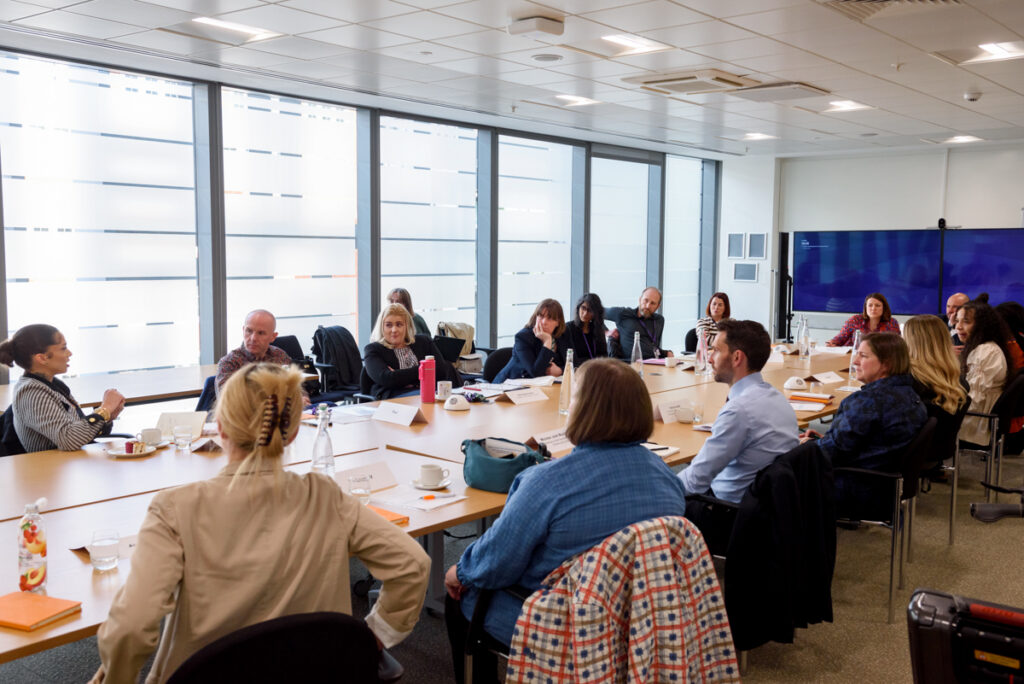
K: The room felt safe and well-facilitated, which matters in what could be an intimidating space. People were open, genuine, and willing to learn. It was clear some experiences shared were new or just hadn’t even been anticipated as challenges affecting survivors. Throughout the sessions, there was a strong sense of emotional safety, allowing honest and meaningful participation from everyone
T: The atmosphere was welcoming and respectful. It was encouraging to see decision makers genuinely listening to people with lived experience. Throughout the day, I participated in discussions about health, trauma recovery and long-term support, sharing my perspective and learning from the experiences of others.
A: Each person had time and space for honest discussion, and I felt listened to throughout the session. The chance to contribute alongside professionals and other survivors was so powerful. Everyone brought different but equally crucial experiences, and the conversations felt focused on real change rather than tokenism.
What is one key reflection you’d like to share from the roundtable?
K: A key reflection is that officials and ministers recognised the value of lived experience and the need to work with us to truly understand survivors’ needs. There was a genuine willingness to listen and learn rather than assume. How that translates into practice remains to be seen, but the intent felt meaningful.
T: One key reflection is the importance of long-term, trauma-informed support. Recovery does not end when someone leaves an abusive situation. Many survivors continue to experience long-term impacts on their physical and mental health, and services need to better recognise and support these ongoing recovery needs.
A: A key reflection for me is how vital survivor voices are in shaping policy. Professionals often see the system from the outside, but we understand its impact from within.
What would you tell other people with lived experience who are interested in taking part in engagement opportunities?
K: I would say be mindful that engagement can carry an emotional cost, so consider whether it feels right at that time. You have choice now; it’s okay to step forward or step back. Think about what supports your safety and remember that the power to share your story rests with you.
T: Your voice matters. You do not need to be an expert to contribute. Lived experience provides a perspective that professionals and decision makers cannot gain elsewhere. I was the youngest participant at the roundtable, which showed me that age does not determine whether your experiences and ideas are valuable. If you are given the opportunity to take part, I would encourage you to do so, as your voice could help shape positive change for others.
A: Your voice is valuable, and you don’t need to be ‘fully healed’ to contribute. And the chance to share your experience with policymakers is something you will never forget.